


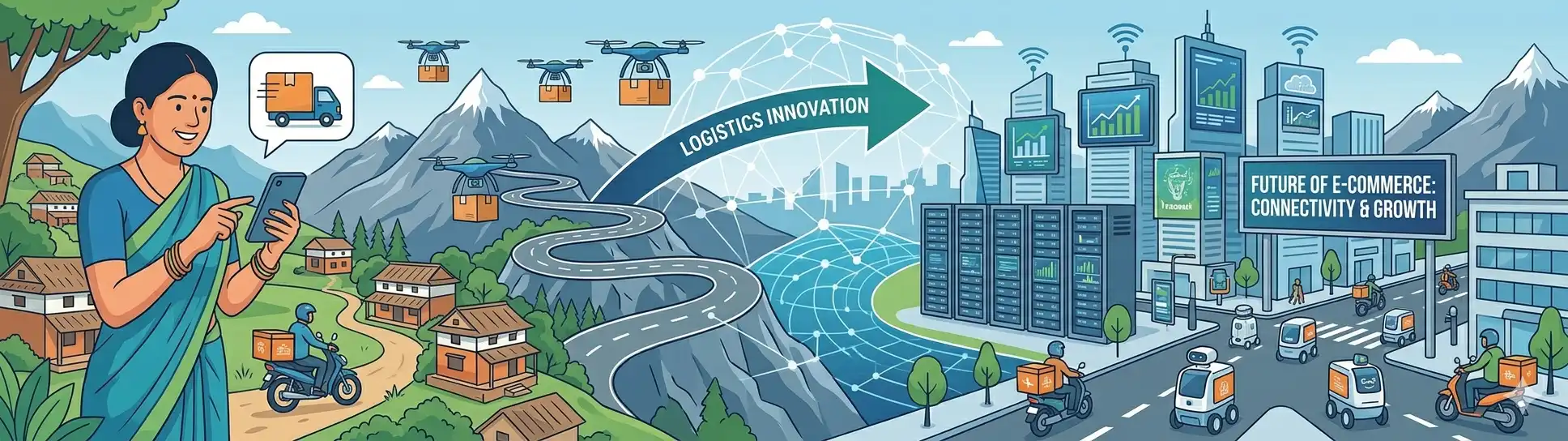
Adoption and Growth of E-Commerce in the Nepali Market
Over the past decade, Nepal has witnessed a quiet but powerful digital shift.
What once felt like a luxury — ordering products online — is now becoming a habit for a growing number of consumers. From electronics and fashion to groceries and services, e-commerce in Nepal is no longer an emerging concept. It is a rapidly evolving ecosystem.
But what’s really driving this growth? And where is it headed next?
The Rise of Digital Consumers
The foundation of e-commerce growth in Nepal lies in one key change: user behavior.
With increasing internet penetration and smartphone usage, more people are becoming comfortable browsing, comparing, and purchasing products online. Social media platforms have also played a crucial role in shaping buying decisions.
Today’s Nepali consumer:
- Researches before buying
- Values convenience over physical effort
- Is increasingly open to digital payments
This behavioral shift is what fuels the demand for online marketplaces.
Digital Payments Are Changing the Game
One of the biggest catalysts for e-commerce in Nepal has been the rise of digital wallets like eSewa and Khalti.
These platforms have simplified transactions by:
- Reducing dependency on cash
- Enabling quick and secure payments
- Building trust in online transactions
As digital payment adoption grows, so does the confidence of users to shop online — creating a positive feedback loop for the entire ecosystem.
Logistics & Last-Mile Delivery Evolution
E-commerce is not just about websites — it’s about delivery reliability.
In Nepal, logistics has traditionally been a challenge due to geography and infrastructure. However, companies are now investing in:
- Better delivery networks
- Faster fulfillment systems
- Real-time tracking
Urban areas like Kathmandu have seen significant improvements, with same-day or next-day delivery becoming more common.
This improvement in logistics directly impacts customer trust and repeat purchases.
The Rise of Local E-Commerce Platforms
Nepal has seen the emergence of strong local players such as Daraz, SastoDeal, and Gyapu.
These platforms have contributed to:
- Standardizing online shopping experiences
- Offering competitive pricing
- Running large-scale campaigns (festive sales, flash deals)
They’ve also helped onboard local sellers, expanding the digital economy beyond just major brands.
Challenges Still Exist
Despite rapid growth, e-commerce in Nepal still faces several barriers:
- Limited trust in product quality
- Return and refund inefficiencies
- Logistics challenges outside major cities
- Digital literacy gaps in rural areas
These challenges highlight that while adoption is growing, the ecosystem is still maturing.
The Future of E-Commerce in Nepal
The future looks promising — and transformative.
We can expect:
- Greater integration of digital payments
- Expansion of delivery networks across regions
- Growth of niche and D2C (Direct-to-Consumer) brands
- Increased use of AI for personalization and recommendations
More importantly, businesses are starting to realize that having an online presence is no longer optional.
Final Thoughts
E-commerce in Nepal is not just growing — it’s evolving.
What started as a convenience is becoming a core part of how people shop and businesses operate. As technology, logistics, and consumer trust continue to improve, the digital marketplace will only become stronger.
For businesses, the opportunity is clear:
Those who adapt early will lead.
Those who wait will struggle to catch up.